
Key Takeaways
- Top Pick: UnitedHealth Group (and their subsidiary Optum) is consistently the largest employer for remote nurses.
- Best for Stability: Large insurance carriers like Humana, Aetna (CVS Health), and Elevance Health offer the most consistent hours and benefits.
- Best for Tech: Teladoc Health and Amwell are great if you want to be on the cutting edge of telemedicine.
- Experience Needed: Most remote jobs require at least 3-5 years of bedside clinical experience. It's rare to get these right out of school.
- The "Compact" Factor: Living in a compact nursing state (NLC) makes you way more hireable than if you live in a non-compact state.
The Heavy Hitters: Insurance and Managed Care
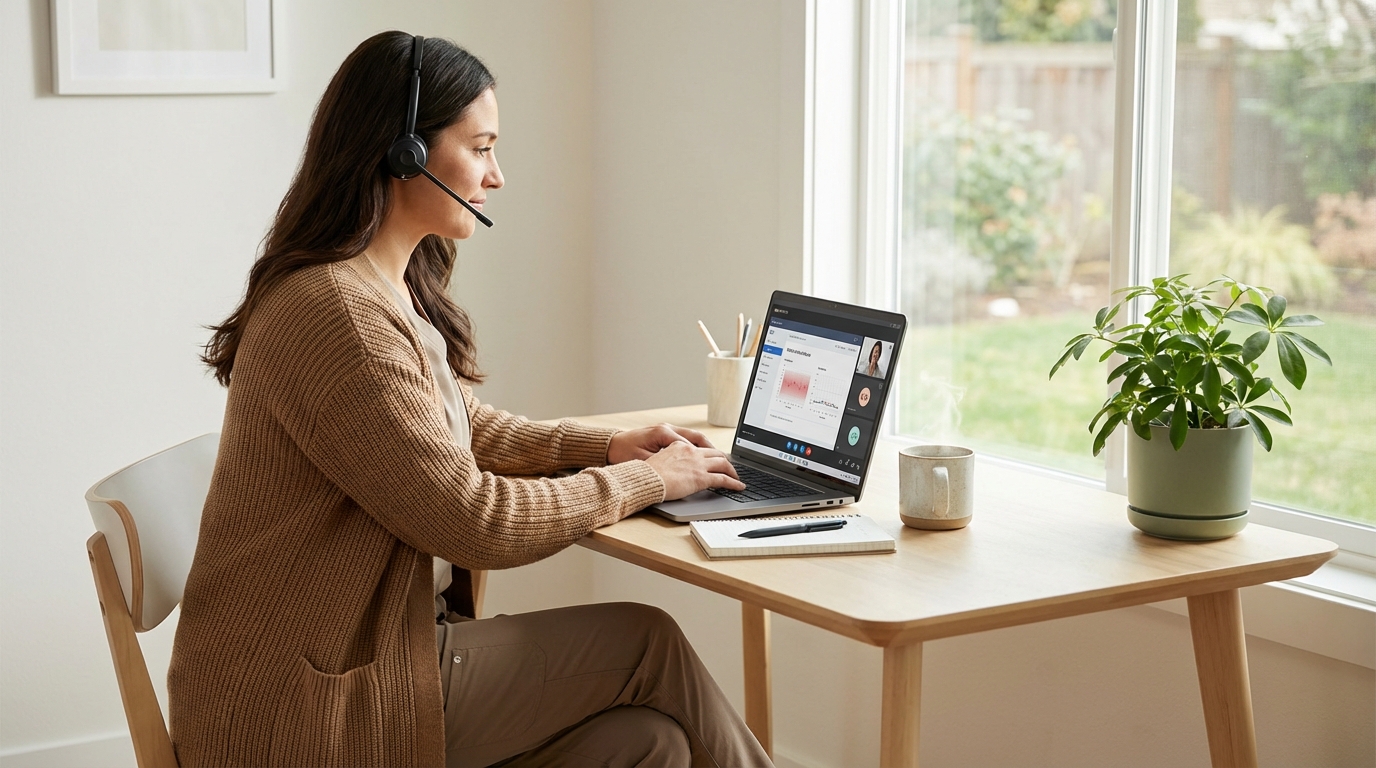
If you are looking for stability and decent benefits, you really want to start with the big insurance companies. They hire thousands of nurses for things like case management and utilization review. It's not glamorous work but it allows you to drink coffee in your own kitchen while you work.
1. UnitedHealth Group / Optum
UnitedHealth Group is usually the first place I tell people to look. They are massive. According to Fortune 500 lists, they are one of the biggest healthcare companies in the world. Because they own Optum, they have a huge need for telephonic nurses.
Why check them out:
- They hire for a huge variety of roles. You can do HEDIS data collection (which is often seasonal), case management or pure telephone triage.
- The Culture: It's corporate. Very corporate. You will have metrics you have to hit, like how long you stay on the phone. But the trade-off is they have a very structured training program which is nice if you've never worked remote before.
2. Humana
Humana is another giant, but they have a really strong focus on senior care and Medicare populations. If you have a background in geriatrics or home health this is a great fit. They have a division called "Humana At Home" which often hires remote care managers to coordinate health plans for seniors.
Glassdoor reviews often mention that Humana has a pretty decent work-life balance compared to hospital work. They also seem to put a lot of money into employee wellness programs which is kinda ironic but cool.
3. CVS Health (Aetna)
Ever since CVS bought Aetna, they have become a powerhouse. They hire remote nurses for the insurance side (Aetna) but also for their various care management programs. They have positions where you review medical charts to see if procedures should be covered (Utilization Review) and positions where you help patients navigate chronic diseases.
One thing to note here is the benefits. Since they are such a huge retail footprint too, employees often get perks across the whole company ecosystem.
4. Elevance Health (Formerly Anthem)
You might know them as Anthem, but they rebranded to Elevance Health recently. They operate many of the Blue Cross Blue Shield plans across the country. They are huge on "whole health" and hire a lot of remote Behavioral Health case managers. If you have psych experience, this is the first place I'd look.
The Tech Innovators: Telehealth Companies
If working for an insurance company sounds boring to you, look at the actual telehealth providers. These companies connect patients directly to doctors and nurses via video or phone.
5. Teladoc Health
Teladoc is basically the Kleenex of telemedicine. They are the brand everyone knows. They hire Registered Nurses mostly for triage and health coaching. They also deal a lot with chronic condition management since they merged with Livongo a while back.
The Vibe: It's more fast-paced than insurance. It feels a bit more like a tech startup environment even though they are a big public company now. You need to be pretty good with computers to work here because their software is everything.
6. Amwell
Amwell is the other big player in the direct-to-patient video space. They work with a lot of hospital systems to power their telehealth. For nurses, the roles here can vary from patient education to post-discharge follow-up calls.
7. Carenet Health
Carenet is interesting because they are essentially an outsourcing company. Hospitals and insurance plans hire Carenet to answer their phones after hours. This means they hire a lot of nurses for triage lines.
Heads up: Since they cover "after hours" for other businesses, this is the place to look if you want evening or night shifts from home. If you want a strict 9-5, this might not be the best fit compared to an insurance company.
What Kind of Jobs Are We Actually Talking About?
Okay so you know the companies, but what are you actually gonna be doing all day? It's not just "nursing but on Zoom." The jobs are very specific.
Telephone Triage
This is the closest thing to bedside nursing skills. A patient calls in with a symptom (like chest pain or a fever), and you use protocols to tell them if they need to call 911, go to Urgent Care, or just stay home and drink water. You need to be quick on your feet and have good clinical judgment. Companies like Carenet and Teladoc are big on this.
Utilization Review (UR)
This is a desk job. You sit at your computer and look at requests from doctors to see if the insurance company will pay for it. You compare the patient's chart against a set of rules (like InterQual or Milliman guidelines). It's low stress, but it can get repetitive. If you are burned out from patient interaction, this is the holy grail. UHG and Aetna hire tons of UR nurses.
Case Management (CM)
This is about the long game. You have a caseload of patients, usually with complex issues like diabetes or heart failure. You call them once a month to make sure they are taking their meds and going to appointments. It involves a lot of talking and building relationships. You need to be organized because the paperwork is heavy.
HEDIS / Data Abstraction
This is often seasonal work, usually ramping up in the beginning of the year. You are basically looking at charts to gather data for quality reports. It is very quiet, solitary work. If you are an introvert who loves detail, you'll love this.
The Pros and Cons No One Tells You About
I want to be real with you for a second. Remote nursing is amazing, but it isn't perfect.
The Good Stuff
- No Commute: You save money on gas and wear and tear on your car. Plus, you get that time back in your day.
- Physical Health: Your back and feet will thank you. No more lifting 300lb patients or standing for 12 hours straight.
- Safety: You don't have to worry about getting hit, scratched, or exposed to infectious diseases.
The Not-So-Good Stuff
- Loneliness: You miss the camaraderie of the nursing station. It's just you and your cat most days.
- Micromanagement: This surprises people. In the hospital, you have autonomy. In a remote call center job, they track everything. They know if you took a 16-minute break instead of 15. They count your mouse clicks sometimes. It can feel like Big Brother is watching.
- Sedentary Lifestyle: You go from walking 15,000 steps a shift to walking 300. You have to make a conscious effort to exercise or the weight creeps up on you fast.
How to Actually Land One of These Jobs
Getting these jobs is competitive. Everyone wants to leave the bedside right now. Here is how you can stand out.
1. Fix Your Resume
Don't just list your hospital duties. Highlight your tech skills. Mention the EMR systems you know (Epic, Cerner, etc.). If you have ever done charge nursing or discharge planning, put that at the top. Those skills translate well to Case Management.
2. Get Certified
If you want a Case Management job, look into getting your CCM (Certified Case Manager) certification. It's not always required but it looks really good. For coding or auditing, having a background in CDI (Clinical Documentation Improvement) helps.
3. The License Issue
This is a big one. To work remotely, you usually need to be licensed where the *patient* is, not just where you are. This is why the Nurse Licensure Compact (NLC) is so important. If you live in a Compact state (like Texas, Florida, or Tennessee), you can practice in over 30 other states with one license. If you live in a non-compact state (like California or New York), it is much harder to get hired by national companies because they would have to pay to get you licensed everywhere.
Clinical Research Organizations (CROs)
I almost forgot to mention this category. Companies like IQVIA, Parexel, and PPD (part of Thermo Fisher) hire nurses for clinical trials. Some of these roles are "Clinical Research Associate" (CRA) positions. While some require travel, many have moved to remote monitoring roles.
These jobs pay very well, often better than insurance companies. However, they are intense. You need to be very detail-oriented and know FDA regulations. It's a steep learning curve but a great career path.
Salary Expectations
Generally speaking, remote nursing pays similar to bedside nursing, but it depends on where you live. If you live in a high-pay state like California, a remote job based in the Midwest might pay less than you're used to. However, if you live in a rural area with low wages, a national insurance company might actually pay better than your local hospital.
Most of these positions are salaried, so say goodbye to overtime pay (usually). But you also get consistent holidays off, which is worth its weight in gold.
Frequently Asked Questions
Q: Can I work a remote nursing job as a new grad?
A: Honestly, probably not. 99% of these companies require clinical experience. They need you to have that "nurse intuition" already built up because you can't physically see the patient. Usually, they ask for 3 to 5 years of acute care experience.
Q: Do I need to buy my own computer?
A: Most reputable companies (like the ones I listed above) will send you equipment. They usually ship a laptop, monitors, and a headset. You are generally responsible for providing high-speed internet and a quiet, private room to work in (HIPAA requires a door that closes).
Q: Are these jobs flexible? Can I watch my kids while I work?
A: This is a common misconception. Remote nursing is a real job. You cannot care for a baby or toddler while doing telephone triage or case management. You need dedicated childcare. However, the flexibility comes in the form of no commute and being able to throw in a load of laundry on your lunch break.
Q: What is the best website to find these jobs?
A: Go directly to the company career pages (UnitedHealth, Humana, etc.). But for job boards, LinkedIn and Indeed are king. Use keywords like "Remote RN," "Telephonic Nurse," "Utilization Review," and "Virtual Health."
Q: Is the pay less than hospital nursing?
A: It varies. You might take a slight pay cut on the hourly rate, but when you factor in not buying scrubs, gas, or expensive hospital cafeteria lunches, it often evens out. Plus, the mental health benefits are priceless.