
Key Takeaways
- Yes, it is possible: Most legal work today is digital, meaning lawyers can work from home, a co-working space, or even a different country in some cases.
- Practice area matters: Transactional lawyers (contracts, trademarks) have an easier time going remote than litigators who need to be in court, though virtual court is still a thing.
- Ethics and Rules: You have to be careful about the "Unauthorized Practice of Law" (UPL) if you are living in a state where you aren't licensed.
- Security is King: Lawyers have a duty of confidentiality, so using a secure VPN and encrypted email is non-negotiable.
- The Hybrid Model: Most law firms are moving toward a mix of home and office work rather than fully 100% remote.
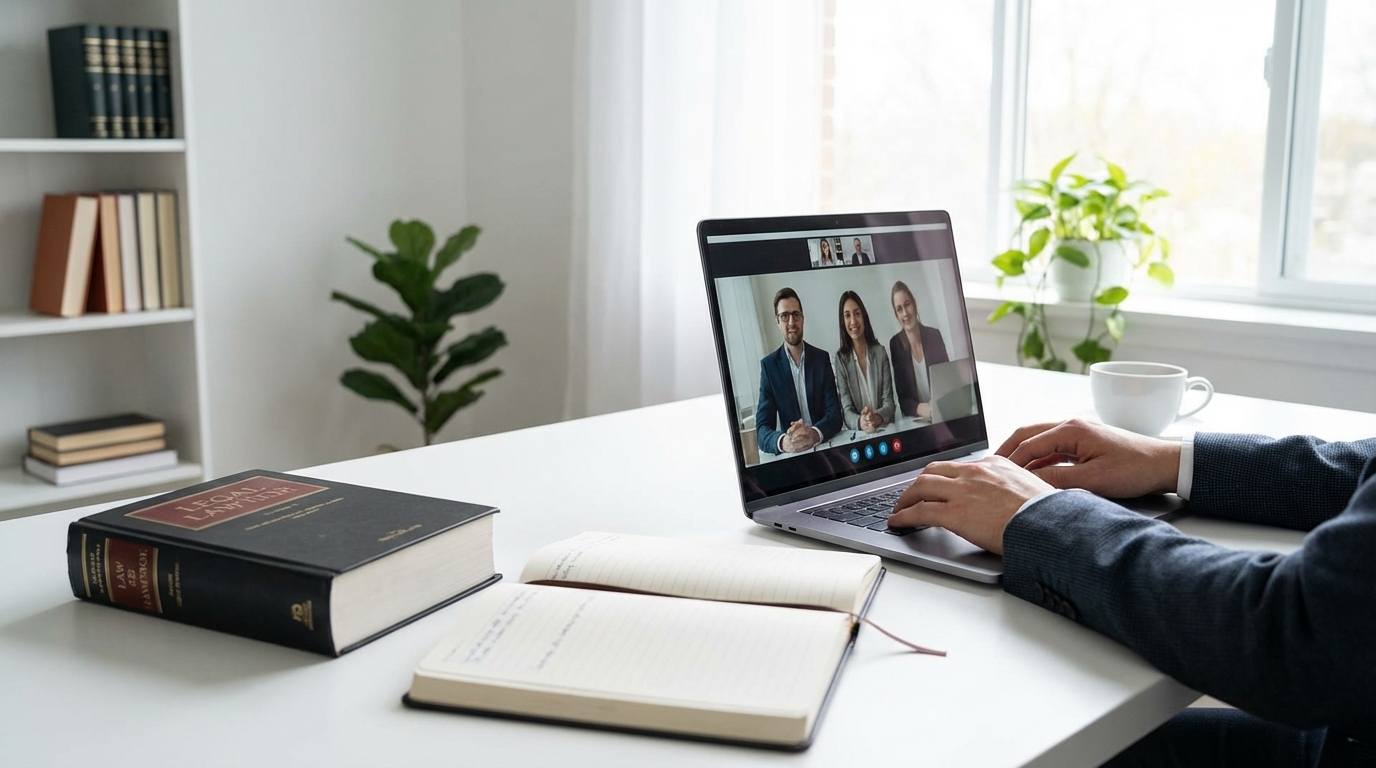
The short answer is yes, lawyers absolutely can work remotely. Actually, since 2020, the legal industry has changed arguably more than any other sector. What used to be a profession defined by mahogany desks, heavy law libraries, and face-to-face meetings has rapidly shifted to Zoom calls, cloud-based practice management, and digital signatures.
But while the answer is yes, its not always simple. There are strict rules about where you can physically be located versus where you are licensed to practice, and not every type of law fits neatly into a laptop lifestyle. Let's break down how this actually works, the hurdles involved, and why your lawyer might be answering your email from their kitchen table.
How the Legal Landscape Shifted
It used to be that if you weren't in the office until 8 PM, partners assumed you weren't working. The culture was heavy on "face time." But when the pandemic hit, courts shut down and law firms had no choice but to adapt. Surprisingly, the legal system didn't collapse.
Courts started holding hearings via video conference. Depositions went online. And crucially, law firms realized that their associates were actually more productive without a commute. A report from the American Bar Association (ABA) highlighted that remote work is here to stay, with a huge chunk of lawyers preferring to keep at least a hybrid schedule.
Technology made this possible. We aren't digging through physical filing cabinets anymore. Everything is on the cloud. If you have a secure internet connection and a laptop, you have your office.
Which Lawyers Can Go Remote?
Not all legal jobs are created equal when it comes to remote work. Depending on what kind of law you practice, your ability to work from a beach house-or just your couch-varies alot.
Transactional Law
This is the sweet spot for remote work. Transactional lawyers handle paperwork, contracts, mergers, estate planning, and intellectual property. They rarely, if ever, see the inside of a courtroom.
For these folks, the job is mostly drafting documents, negotiating over the phone, and emailing. Tools like DocuSign have made wet-ink signatures almost obsolete. Honestly, a transactional lawyer could probably work from the moon if the Wi-Fi was good enough.
Litigation
Litigators have a harder time. While many procedural hearings and depositions are still happening on Zoom, trials are largely back in person. Judges generally prefer to have juries and witnesses in the courtroom to gauge credibility.
However, "remote" doesn't necessarily mean "digital nomad." A litigator can work from home 90% of the time and just drive to the courthouse when necessary. It just means they can't easily move to a different state or country without complicating their ability to appear in court.
In-House Counsel
Lawyers who work directly for corporations (in-house) rather than for law firms are seeing the biggest shift. Since the tech companies and big businesses they work for are often remote-first, the legal teams are too. It makes no sense to force the lawyer into an office if the CEO is working from home.
The Big Hurdle: Unauthorized Practice of Law (UPL)
Here is where things get sticky. This is the part you need to pay attention to if you are a lawyer thinking about moving, or a client wondering if your lawyer is legit.
In the United States, lawyers are licensed by the state. If you pass the bar in New York, you can practice New York law. You cannot simply open up shop in Florida and start giving legal advice to Florida residents unless you pass the Florida bar.
But what if you are a New York lawyer, representing New York clients, but you physically sit in your vacation home in Florida? Is that allowed?
For a long time, the rules were grey. But recently, the ABA issued Formal Opinion 495. Basically, it says that lawyers can practice remotely from a state where they aren't licensed, provided they:
- Do not establish a "local office" or physical presence in that state.
- Do not tell people they are licensed in that state.
- Only work on matters for the state where they are licensed.
So, if you are a California lawyer living in Colorado, you can keep doing your California work. You just can't start taking Colorado divorce cases. You have to remain "invisible" to the local public in the state where you are physically sitting.
The Tech Stack You Need
If you're going to do this, you can't just use a standard laptop setup. Lawyers have a higher duty of care because of attorney-client privilege. If a hacker gets into a lawyer's email, it's a disaster. Here is what a remote lawyer absolutely needs.
1. Practice Management Software
Gone are the days of paper files. Software like Clio, MyCase, or PracticePanther is essential. These are secure, cloud-based hubs where all case details, billing, and documents live. It allows the whole team to see the file status in real-time, no matter where they are.
2. A Strong VPN
Public Wi-Fi is a lawyer's enemy. If you are working from a coffee shop (which, honestly, you probably shouldn't do for sensitive calls), you need a Virtual Private Network (VPN). This encrypts your data so nobody can snoop on your connection.
3. Encrypted Communication
Regular Gmail isn't always cut out for high-stakes legal work. Many remote lawyers use encrypted email services or client portals. A client portal is like a secure drop-box where you log in to view messages, rather than sending sensitive PDFs over open email channels.
The Pros and Cons
It's not all sunshine and working in pajamas. There are real trade-offs to the remote legal life.
The Good Stuff
Work-Life Balance: The legal profession has notoriously high burnout rates. Cutting out the commute and allowing lawyers to be home for dinner has been a game changer for mental health.
Lower Costs: Law firms spend a fortune on fancy offices. By downsizing real estate, firms can save money, which theoretically could lead to lower rates for clients (though don't hold your breath), or at least better pay for staff.
Talent Pool: Firms can now hire the best expert for the job, even if that lawyer lives three states away. Geography is no longer a dealbreaker.
The Tough Stuff
Mentorship: This is the biggest complaint from senior partners. It is really hard to train a fresh law school graduate over Zoom. Young lawyers learn by osmosis-hearing how a partner handles a difficult phone call or watching them strategize in the hallway. That gets lost remotely.
Isolation: Law is stressful. Sometimes you need to vent to a colleague next door. When you're at home, that isolation can make the stress feel heavier.
Security Risks: The more spread out the team is, the more "endpoints" there are for hackers to attack. If an associate loses their laptop at an airport, it's a major security breach.
What About "Virtual Law Firms"?
There is a new breed of law firm that was remote long before the pandemic. These are often called "Virtual Law Firms" or distributed firms. Companies like FisherBroyles have hundreds of partners and zero physical offices.
In these models, lawyers keep a much higher percentage of the fees they bill because they aren't paying for marble floors and receptionists in downtown skyscrapers. This model is growing fast because it appeals to senior lawyers who have their own book of business and are tired of office politics.
Can You Be a "Digital Nomad" Lawyer?
I get asked this alot. Can you travel the world, hopping from Airbnb to Airbnb, while practicing law?
Technically? Yes. Practically? It's really hard.
Time Zones: If your clients are in New York and you are in Bali, you are going to be working in the middle of the night. The legal world runs on business hours. Judges don't care that you are 12 hours ahead.
Reliability: If your internet cuts out during a court hearing or a closing call because of a tropical storm, you could face sanctions or lose a client. The bar for reliability is incredibly high in law.
Taxes: Working internationally triggers tax nightmares. Most firms won't allow their lawyers to work internationally for more than a few weeks because it creates tax liabilities for the firm in that foreign country.
Conclusion: The Future is Hybrid
So, can lawyers work remotely? Yes, and they are doing it in record numbers. But the initial dream of everyone going 100% remote forever has settled down a bit.
What we are seeing now is the "hybrid" model. Lawyers might come into the office on Tuesdays and Thursdays for meetings and training, and work from home the rest of the week to do "deep work" like writing briefs. It offers the best of both worlds.
For clients, this is mostly good news. It means your lawyer is likely more accessible, more tech-savvy, and possibly less stressed out. Just don't be surprised if you see a bookshelf in the background of your next video call instead of a boardroom.
Frequently Asked Questions
1. Do I need to tell my clients I am working remotely?
Generally, no, as long as it doesn't affect your representation. However, transparency builds trust. If you are working from a different time zone or won't be available for in-person meetings, you should definitely let them know upfront.
2. Is Zoom court still happening?
It depends on the jurisdiction. Many local courts have kept Zoom for procedural stuff like status conferences because it saves everyone time and money. But for major trials, most judges have ordered lawyers back into the courtroom.
3. Can a lawyer practice in a state they aren't licensed in if they work from home?
No, you cannot practice the law of that state (unless you get admitted pro hac vice). But you can generally live in State A while practicing the law of State B, provided you follow the rules mentioned in ABA Opinion 495 (don't advertise locally, don't set up a local office).
4. Is it safe to send legal documents over email?
Standard email is not perfectly secure. For highly sensitive documents (like medical records or corporate trade secrets), lawyers should use encrypted email or secure client portals. If your lawyer asks you to log into a portal to sign something, do it-it's for your protection.
5. Do remote lawyers charge less?
You would think so, right? Since they have less overhead. Some virtual firms do charge lower rates, but for the most part, rates are determined by expertise and market demand, not the lawyer's rent bill. However, you might save money on "ancillary" costs-lawyers are charging less for travel time since they don't have to drive to court as often.